


St. Brigid Weekly Message
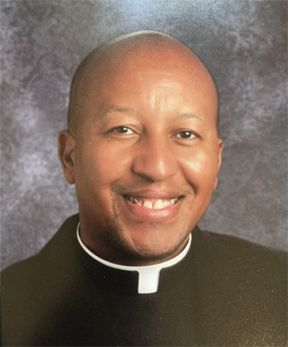
Fr. Rodlin's Corner
Imagine waking up one morning to an advertisement on your phone: “Heaven is within
reach. Reserve your place today.” Beneath the message, a golden button reads: “Buy Now.” There are payment plans for struggling families, premium packages for the wealthy, and a customer service number for anyone worried about the condition of their
soul. By noon, the price has gone up.
Outside the salvation office, a widow stands counting the money in her purse. She has spent her life feeding children, nursing the sick, and praying for people who never remembered her name. But the clerk shakes his head. She does not have enough. Behind her, a wealthy man arrives with his accountant. He purchases salvation for himself, his children, and a few business partners. He asks whether the expense is taxdeductible. What a terrible world that would be—a world where even eternity belonged only to those who could afford it.
We already know what it feels like to live among things we cannot buy. Some people stand outside hospitals, schools, and homes that remain beyond their reach. Imagine reaching the end of that difficult road only to discover a price posted on the gates of heaven. Imagine hearing that your prayers were sincere, your repentance real, and your heart full of love—but your payment was insufficient.
If salvation were for sale, someone would find a way to control the supply. There would be brokers promising better access to God, forged certificates of forgiveness, and advertisements warning people to purchase before it was too late. Fear would become a profitable business. Someone would grow rich convincing the dying that mercy was
almost sold out.
And what would happen to repentance? A person might exploit workers on Monday, destroy a reputation on Tuesday, and purchase a clean conscience on Sunday. Forgiveness would become another expense in the budget. The question would no longer be, “How must I change?” It would be, “How much do I owe?” Yet even an unlimited fortune could not make a cruel heart loving. Money could purchase the certificate, the ceremony, and the applause. It could never purchase communion with God.
The Christian message breaks into this imagined marketplace with an astonishing announcement: salvation is God’s gift. We cannot buy it, and we cannot place God in our debt. Before we could reach him, he reached us. In Jesus Christ, he entered our wounded humanity, carried our sins to the Cross, and opened the way to new life. That gift was costly. At Calvary, however, Christ did not hand humanity an invoice. He offered
himself.
The poor need not be ashamed before him. The wealthy cannot demand special treatment. Both must come with open hands. Both need mercy. The person whose pockets are empty may receive what all the money in the world could never secure.
Receiving this gift changes how we live. Grace calls us to repent, to forgive, to seek reconciliation, and to love our neighbor. We do not perform these acts as installments on a heavenly mortgage. We do them because God’s love is taking root in us. A forgiven heart begins to understand why it must forgive.
The widow leaves the imaginary salvation office with her money still in her hand. She sits on the steps, wondering where she will go. But the God revealed in Jesus Christ does not leave her there, outside a locked door, searching her purse. He knows her name. He knows every burden she has carried. His invitation reaches her before she has anything to offer.
And that is our hope as well. When we finally stand before God, we will have no receipt to present. We will have only ourselves—and our trust in the mercy of the One who loved us first.
Pax,
Fr. Rodlin
Associate Pastor